
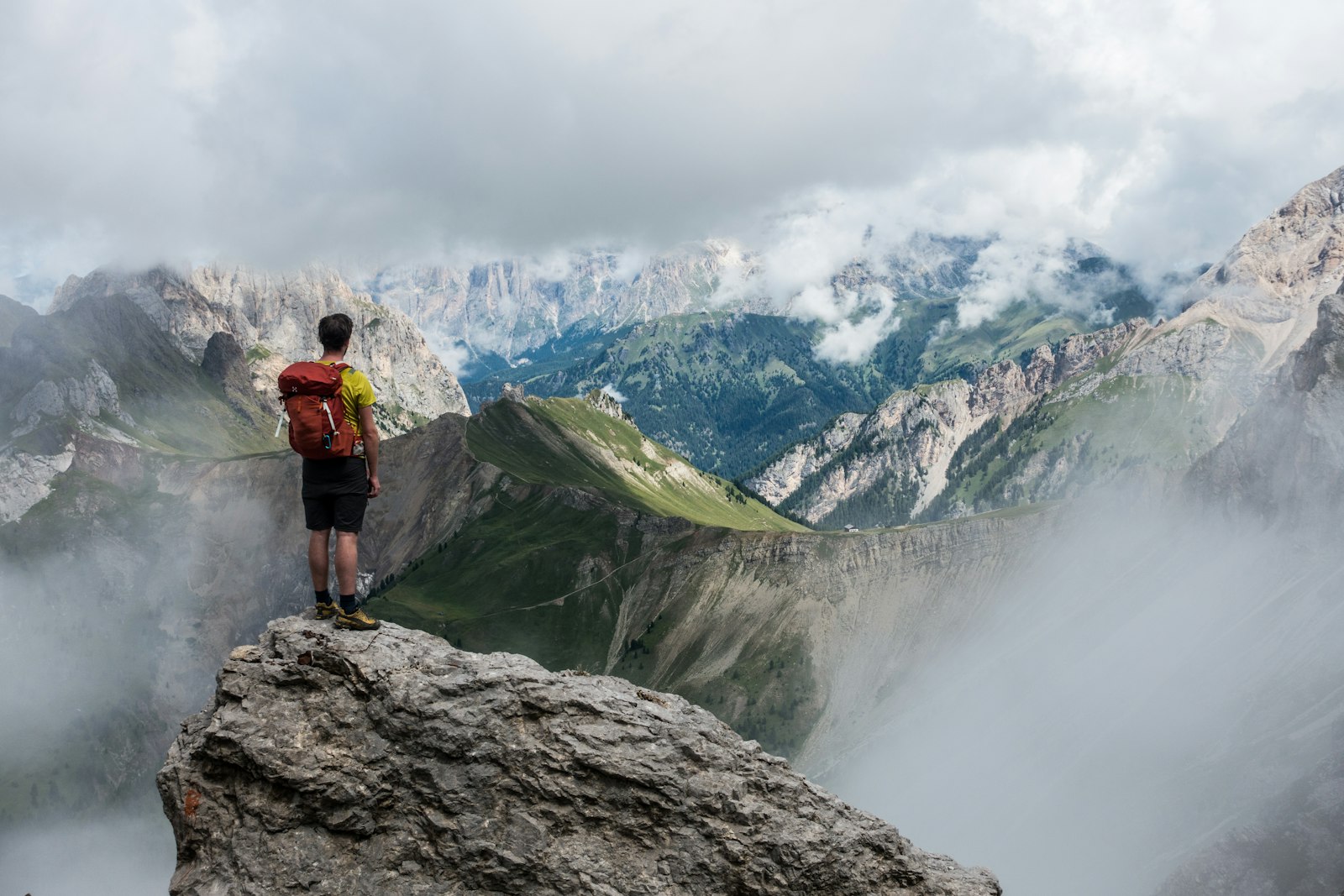
A Himalayan trek feels different once you sleep above 3,000 metres. The walk can look easy on a map and still ask more of you than a longer day in the plains, because the air holds less oxygen.
We plan the nights so the sleeping height rises in steps. A summit morning is a there-and-back, not a night at the top. If someone is unusually tired, short of breath at rest, or unsteady, the leader stops the day. Turning around is part of the plan, not a failure of the group.
You can help before you travel. Walk with a daypack in the weeks before the trek, sleep properly on the train, and drink through the day rather than only at dinner. Tell us about asthma, a recent illness, or a medicine you take when you send the request.
The trek page lists the highest point and the height of each halt. Read those numbers before you compare two departures by price alone.
More from the blog
Other notes on the same desk.
 Guides
· 16 Oct 2026 · 1 min
What a guided trek includes
Stay, meals, permits and a leader who stays with the group. The trek page names what is not in the price.
Read the note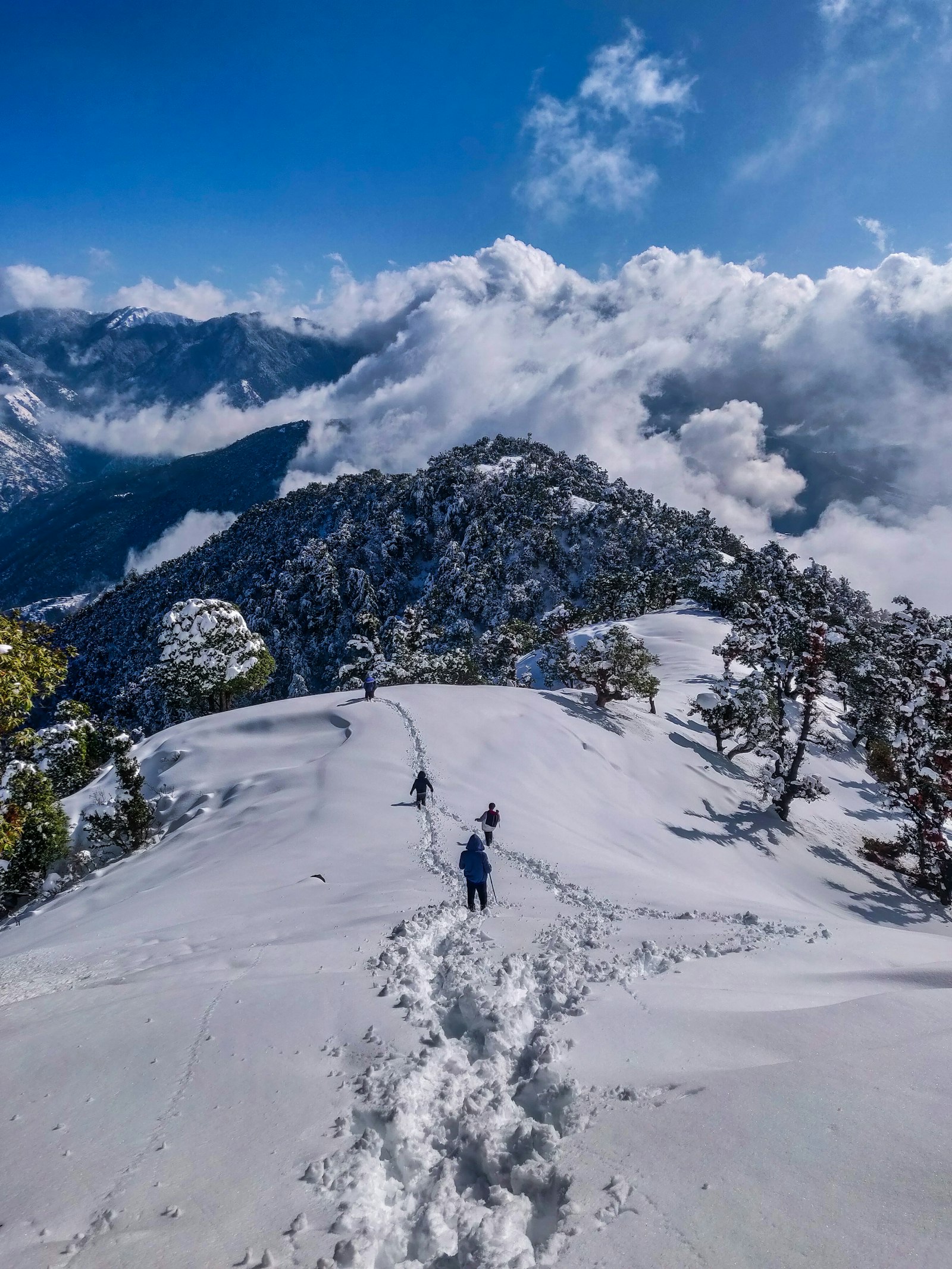 Guides
· 07 Oct 2026 · 1 min
How to pick your first winter trek
Snow is not the hard part. The hard part is matching days, altitude and your current walking habit.
Read the note Seasons
· 01 Oct 2026 · 2 min
When to trek in the Himalaya
Winter, spring and autumn are not the same walk. Match the season to the trail, not to a long weekend.
Read the note