
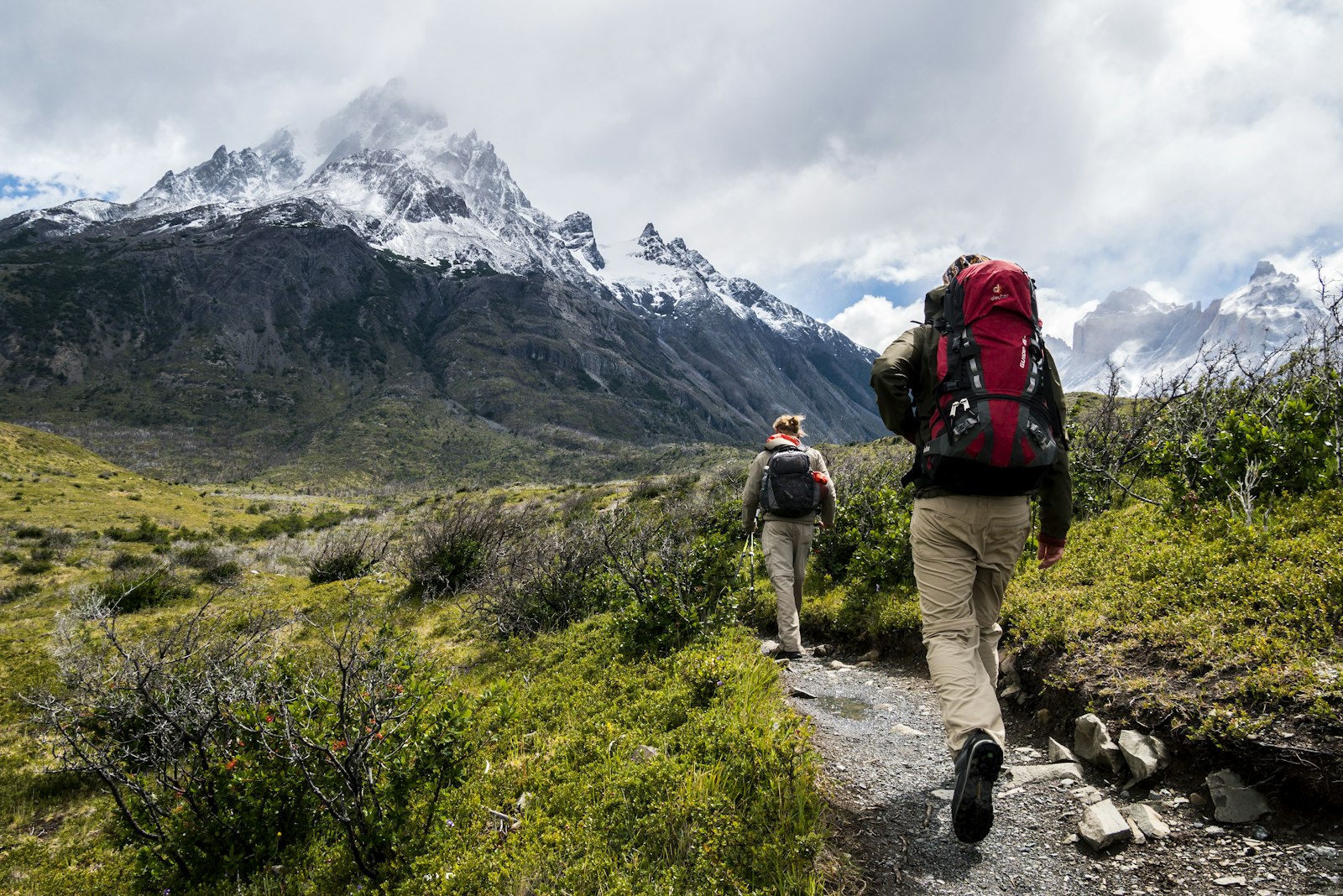
Your main bag stays with the support team on most walking days. The daypack is yours: water, a layer, a rain shell, and any medicine you might need before the next halt.
Shoes matter more than a new jacket. They should already be worn in, with a sole that grips wet rock and snow. A spare pair of socks in a zip bag will feel like a luxury on day three.
For winter departures, add a warm layer you can walk in and a warmer one you only wear at camp. Gloves, a woollen cap, and sunglasses are not optional once you are above the tree line.
Carry a government photo ID. Forest checks and hotel registers ask for it. Leave the drone at home unless the trek page says the area allows one.
More from the blog
Other notes on the same desk.
 Guides
· 16 Oct 2026 · 1 min
What a guided trek includes
Stay, meals, permits and a leader who stays with the group. The trek page names what is not in the price.
Read the note Guides
· 13 Oct 2026 · 2 min
How altitude changes a Himalayan trek
The height of the camp matters more than the length of the walk. Here is how we pace a trek above 3,000 metres.
Read the note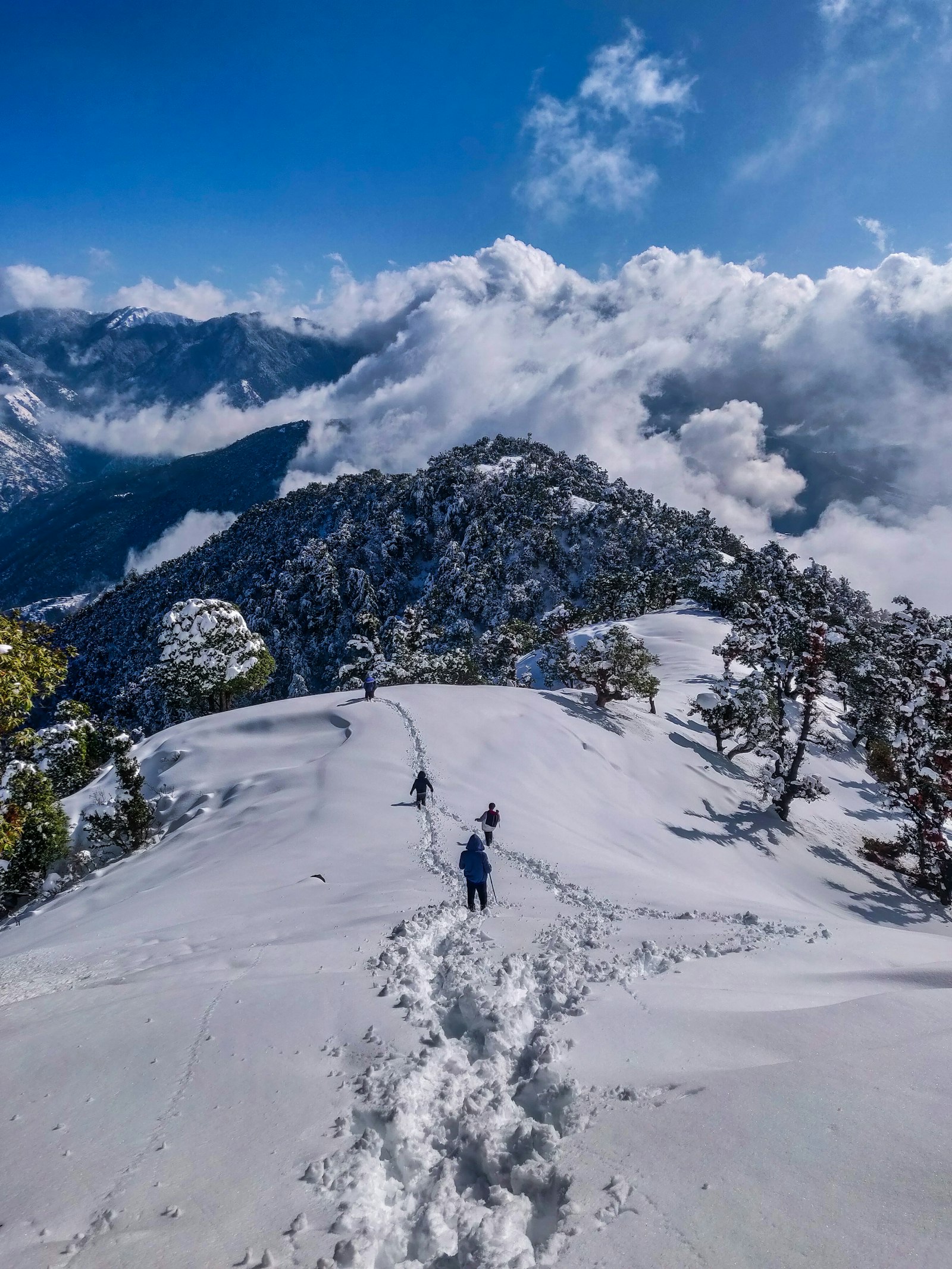 Guides
· 07 Oct 2026 · 1 min
How to pick your first winter trek
Snow is not the hard part. The hard part is matching days, altitude and your current walking habit.
Read the note